|
|
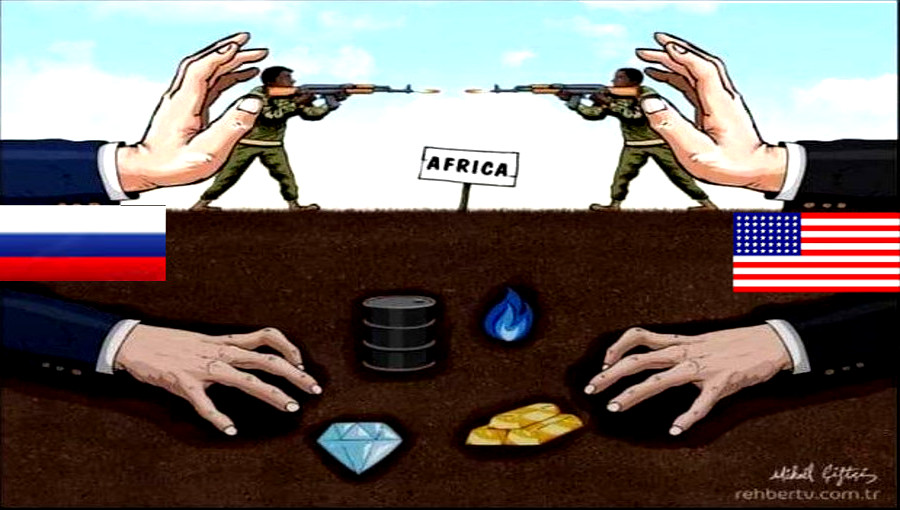
DRC’s peace deal with Rwanda risks swapping war for resource exploitation The joint statement from the Washington peace talks outlined standard provisions for territorial integrity, disarmament, and the return of refugees. Yet the official text remained conspicuously silent on the mineral sector. That omission speaks volumes. According to multiple reports, the Trump administration’s renewed diplomatic push followed Congolese President Felix Tshisekedi’s offer to facilitate direct US investment in the country’s mineral wealth. Indeed, informed sources suggest that parallel but related negotiations for a broader US-DRC minerals agreement are under way. The aim? To bolster US access to critical resources and counter China’s entrenched dominance in Africa’s supply chains – a clear geopolitical play in the global race for strategic minerals. The intertwining of peace and mineral interests is deeply alarming, echoing a tragic and persistent pattern in the DRC’s history. From the rubber and ivory atrocities under Belgium’s King Leopold II – where millions perished under forced labour regimes – to the systematic extraction of cobalt, copper, and uranium under Belgian colonial rule, the Congolese people have rarely been the beneficiaries of their own land’s bounty. After independence, Mobutu Sese Seko presided over a kleptocratic regime that channelled mineral wealth into personal and elite enrichment, further weakening governance. The Congo Wars, often referred to as “Africa’s World War”, were similarly driven by the quest to control mineral-rich territories, with both regional and international actors competing for illicit access. This is the essence of the so-called “resource curse” that has long plagued the DRC: Immense natural wealth leading not to development, but to poverty, conflict, and systemic corruption. When resource deals are struck in the shadow of conflict, exploitation takes the form of opaque contracts that favour foreign corporations, enable tax avoidance, and exclude local communities from fair revenue-sharing. The consequences are devastating: The violent displacement of people, environmental degradation, and the reinforcement of corrupt networks that siphon off national wealth. The human cost is immeasurable – communities uprooted, forced into unsafe mining work (including children), and exposed to widespread sexual violence used as a weapon of control. This “peace deal” risks becoming another instrument of neo-colonialism. As political philosopher Kwame Nkrumah warned, neo-colonialism allows foreign powers to dominate not through direct occupation, but via economic means. In this context, foreign capital is used not to build, but to extract – deepening the divide between resource-rich African nations and wealthy consumer economies. The global demand for critical minerals – from smartphones to electric vehicles – spurs an insatiable appetite that routinely trumps human rights, environmental protections, or national sovereignty. For the Congolese people, genuine peace must mean more than the end of war. It must mark the beginning of self-determination, where the country’s resources are managed transparently and equitably for the benefit of its citizens – not wielded as bargaining chips in global power struggles. The international community, particularly the mediating powers – including the US under Secretary of State Marco Rubio – bear a profound responsibility to ensure that any accompanying economic agreements are subject to rigorous scrutiny. They must demand full transparency, robust environmental and social safeguards, and a firm commitment to equitable wealth distribution that empowers local communities. Anything less would be a tragic continuation of a colonial legacy – a cynical exchange of temporary calm for sustained plunder – undermining the very principles of justice and sovereignty that a truly postcolonial world must uphold. The Congolese people deserve a peace that liberates both their lives and their land – not one that merely reshuffles the chains of exploitation. https://www.aljazeera.com/opinions/2025/6/26/drcs-peace-deal-with-rwanda-risks-swapping-war-for-resource-exploitation? Back |
 Links Search |
||||||
|
|||||||